
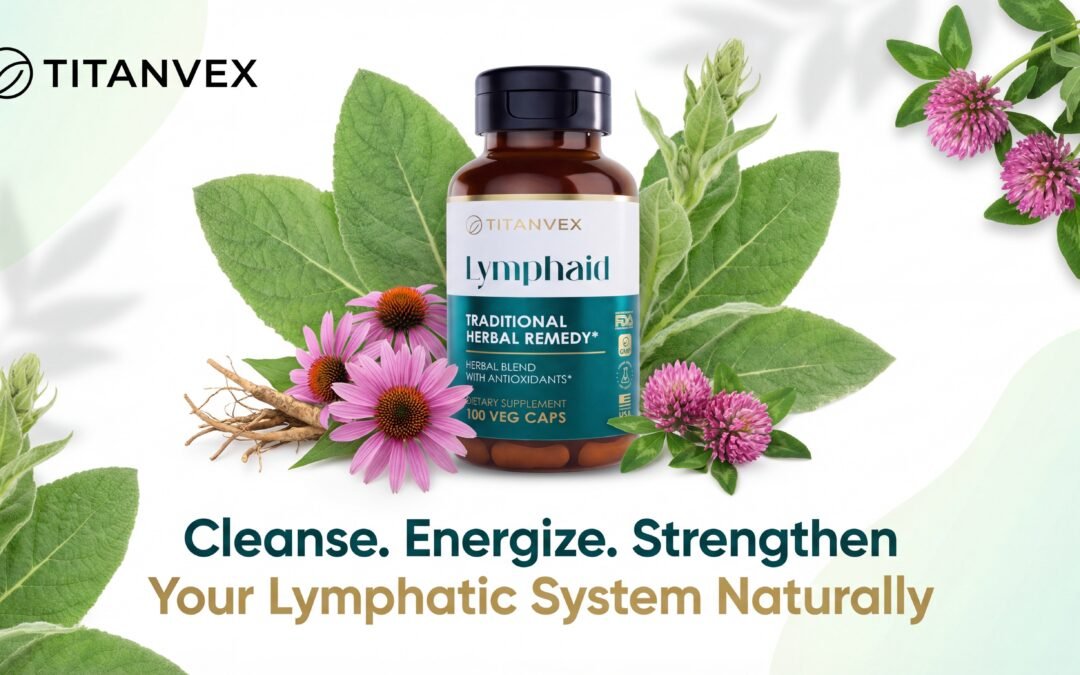
Healthy living isn’t just about exercise and diet — it also includes supporting the body’s internal systems with targeted nutrients and herbal supplements. Supplements like Lymphaid, formulated with traditional herbs, can be part of a holistic, everyday routine that supports internal balance and well-being.
What Are Herbal Supplements?
Herbal supplements are concentrated forms of plant-based compounds used for centuries in traditional medicine. These botanicals contain bioactive compounds — natural substances with potential antioxidant, anti-inflammatory, and other biological effects — that may help support health when used responsibly and consistently. Wikipedia
Supporting Lymphatic Function
The lymphatic system plays a crucial role in fluid balance, immune monitoring, and clearing metabolic waste. While clinical research on specific supplements varies, some evidence shows that supporting gut health (e.g., with probiotics) and reducing inflammation may ease the lymphatic load and support healthy lymph flow. For example:
-
Probiotic supplementation has been linked with increased IgA production, which helps immune response related to lymphatic function. CEOCOLUMN
-
Omega-3 fatty acids have been shown to reduce inflammatory markers, potentially easing lymphatic inflammation and improving flow. CEOCOLUMN
Daily Herbal Support for Wellness
Herbal blends designed for daily use — like Lymphaid — combine botanicals known for traditional wellness support. Many of these herbs have long histories of use in holistic systems and can offer gentle, complementary support when paired with a balanced lifestyle.
Antioxidant Support
Many herbs provide antioxidants, which help neutralize free radicals, supporting cellular health and reducing oxidative stress. While supplements aren’t a replacement for whole foods, they can be a convenient way to increase intake of beneficial plant compounds. Wikipedia
Using well-formulated supplements such as Lymphaid can help support your overall wellness when combined with proper nutrition, sleep, and movement. They are not medical treatments but can be valuable as part of a daily wellness system that prioritizes consistency and balance.