
Aromatherapy — the practice of using essential oils from plants to promote well-being — has gained popularity not just for its pleasant scents but for its potential role in supporting mental health. While not a replacement for clinical care, research shows aromatherapy can be a valuable complementary practice for stress reduction and mood support.
Science Behind Aromatherapy
Aromatherapy works by inhaling essential oil molecules, which interact with the olfactory system. This system is directly connected to the limbic system of the brain — the region involved in emotion, memory, and mood regulation. CompassionCare
Research-Supported Mental Health Benefits
Several studies and systematic reviews suggest that aromatherapy may have positive effects on emotional well-being:
Stress & Anxiety Reduction
-
A meta-analysis of clinical studies found that aromatherapy can significantly reduce anxiety levels, especially in high-stress environments such as healthcare settings. Omics Online Publishing
-
Essential oils like lavender and bergamot have been specifically studied for their calming properties and stress reduction effects in controlled settings. actiage.es
Improved Sleep Quality
Aromatherapy with relaxing scents such as lavender has been linked to better sleep patterns and improved sleep quality in several studies. MDPI
Elevating Mood and Emotional Balance
Studies also highlight the potential of essential oils to improve mood and support emotional well-being. Oils like rosemary, chamomile, and citrus blends may influence neurotransmitter pathways related to mood regulation. naturalhealthresearch.org
How It Works
When inhaled, volatile aromatic compounds travel from the nasal passages to the brain, directly influencing the nervous system’s emotional centers. This process helps explain why specific fragrances can evoke feelings of calm, comfort, or alertness. CompassionCare
Real-World Applications
-
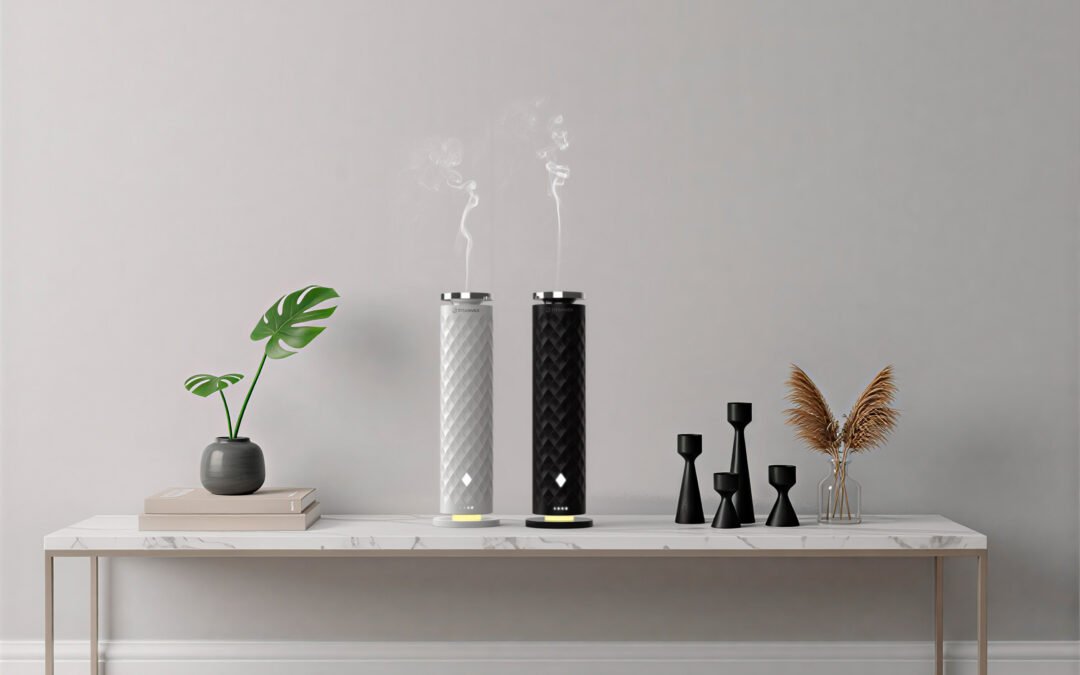
Diffusers: Using aromatherapy diffusers at home or work can create a calming environment.
-
Massage or inhalation: Combining oils with mindful practices can enhance relaxation and emotional resilience.
-
Sleep routines: Adding a calming scent like lavender before bedtime may support relaxation rituals.
While aromatherapy should not replace professional mental health treatment, evidence supports its use as a complementary approach for stress relief, mood support, and overall emotional well-being. As research evolves, aromatherapy remains a popular, evidence-guided tool for enhancing daily wellness.